Meet our new Director of Litigation!

We’re thrilled to introduce you to Julia Solórzano, CDM’s new Director of Litigation! Julia brings deep empathy and vast experience litigating cases on behalf of migrant workers, and we couldn’t be happier to have her on our team!

A little bit about Julia: Before joining CDM, Julia was a Senior Staff Attorney with the Southern Poverty Law Center’s Immigrant Justice Project, where she litigated cases regarding large-scale workplace immigration raids in Tennessee and Mississippi and the unionization rights of farmworkers in North Carolina. Julia received her A.B. from Princeton University and her J.D. from Yale Law School. After law school, Julia clerked for U.S. District Judge Keith P. Ellison of the Southern District of Texas and completed a Skadden Fellowship project focused on the health and safety rights of poultry processing workers.

We are honored to have Julia as part of our incredible team and we look forward to seeing her in action defending the rights of migrant workers and advancing migrant justice.

Read on to learn more about why she decided to join CDM, what led her to join the worker rights movement and what she is most excited about in her new role:

Why did you decide to join CDM?

I was really drawn to CDM in large part because of the binational structure and its ability to reach workers in two countries. To really have that cultural fluency and understanding of the communities from which the workers that we support here in the United States are coming from is really unique. 

In my previous roles I worked with a lot of workers from Mexico. Not having that presence in Mexico was something that was always challenging, and so I was really drawn to that. I have been an admirer of CDM’s work from afar for many years, and I feel very lucky that this opportunity came.

Why did you choose to fight for migrant worker rights?

I grew up in a rural part of Florida in Polk County which is the top orange producing county in the state. Both my parents were farmworker attorneys, so there was a lot of awareness in my home about where our food came from, and the conditions of the people who were working to produce that food was always in my consciousness. It was a part of me.

Throughout my education I was involved in various kinds of social justice movements, but I always felt called back to the fight for worker rights. I think this is the fight I found the most energizing. It’s where I felt I could make a real contribution. Similarly with litigation it’s just something that really interests me. I believe that in order to stay in any social justice movement for a long time you need to have energy to keep the fight going even when things seem really discouraging. For me this is the movement where everyday I feel excited to be a part of it.

What are you most excited about in your new role?

I’m excited about the opportunity to have the ongoing dialogue with workers who are organized into the Comité de Defensa del Migrante who are getting information from CDM and giving information to CDM. This direct communication and constant dialogue makes me feel like not only am I part of this movement for worker rights but that I am doing so right alongside the workers. That’s really exciting to me.

Every single one of our litigation cases is fascinating and crucial. Our plaintiffs are extremely courageous in speaking out, and I’m just so excited to partner with them and other leaders in this movement. 

I hope that in my time here I’m able to strategize and to push that work forward and really center the priorities of those workers.

Three exciting updates from CDM!

It’s been a whirlwind of a week —I have so much to share with you! Here are three exciting updates: Update # 1 – Immigration protections for workers involved in labor disputes can now be granted for up to 4 years! After months of advocating alongside allied organizations, the Department of Homeland Security (DHS) agreed to extend immigration protections for workers involved in labor disputes to up to four years. This protection helps immigrant and migrant workers speak up against labor abuse by lessening the risk of immigration-based retaliation by allowing them to stay and work in the United States while helping…

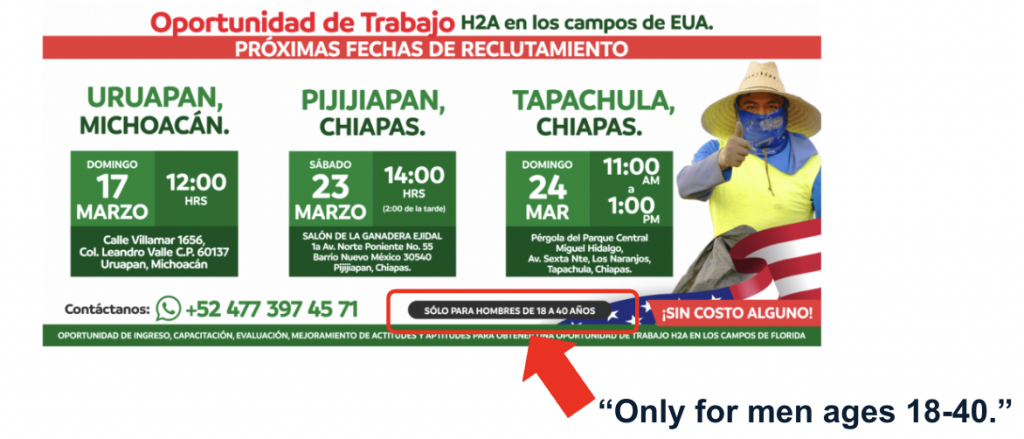
She shared digital ads that we encounter every day in social media offering job opportunities for male workers only, in blatant disregard for the US’s anti-discrimination laws. She also shared a few key recommendations to reduce gender inequality in guestworker programs such as increasing data transparency —gender data in particular— facilitating access from abroad to EEOC complaint processes and ensuring the US lives up to its obligations under the USCMA by removing barriers to migrant worker access to legal services funded by the Legal Services Corporation.

Alongside other Migration that Works member organizations we also took this invaluable opportunity to advance some of our advocacy priorities. Among other things, we continued sounding the alarm on legislative attacks on carnival workers’ rights, and the need for the government to play a more active role in addressing the heightened challenges faced by H-2 workers recruited from Central America.

Update # 3 – Amicus Brief filed!

In a previous newsletter I shared with you that we were filing a motion to intervene in defense of the DOL’s farmworker protection rule currently under legal attack by State Attorneys General, growers and big-time farmers. Sadly, our motion to intervene was denied this week since the judge deemed that the DOL would represent our interests fairly.

But the good news is the judge allowed us to file our intervention brief as an extensive Amicus Brief —which our attorneys filed on Monday— to be considered in the case alongside DOL’s arguments.

All in all it’s been an exciting week. Advocacy is such an important part of CDM’s work building a world where migrant rights are respected and laws and policies reflect migrant worker voices. AND SO ARE YOU! Your support is the reason all of this is possible. So, thank you.

I hope we can continue to count on your support and your fierce determination to create a fair and just world for all.

Donate

Breaking!!! New protections for migrant workers!!

Just a few hours ago, the Department of Labor announced new protections for migrant workers! The historic, worker-protective rule reflects decades of courageous advocacy by migrant workers,CDM, and allied organizations. The rule has the potential to improve the lives of hundreds of thousands of migrant agricultural workers in the U.S. H-2A visa program.

Some of the hard-fought protections in these regulations include:

  • Employers can’t retaliate against workers for speaking out against abuse by firing them. Workers have stronger protections against being fired without cause.
  • Workers must have access to safe transportation and seatbelts.
  • Workers won the right to invite guests (including us!) to visit them in their employer-provided housing.
  • Workers have stronger protections against recruitment fraud and trafficking. Employers can’t take worker’s documents to limit their mobility.

These are basic protections that all workers should have. And now, thanks to these new DOL regulations, agricultural guestworkers will have them too. After more than 18 years of advocacy by CDM and migrant workers, this is a win worth celebrating together.

CDM has supported migrant worker leaders to speak directly with the Department of Labor, sharing their experiences of retaliation, wage theft, unsafe working conditions, and abuse in the H-2 programs. Many migrant workers also submitted comments highlighting the need for worker protective rules. Their voices and experiences shine through in this rule. CDM’s advocacy team and Migration that Works also fought for this rule in the face of well-organized, low-road employer attacks, submitting brilliant comments in defense of the rule after consulting with migrant worker leaders to shape it.

Today, we celebrate these new regulations that will hopefully go a long way in ensuring that no other workers experience the abuse experienced by those who went before. We hope these protections will help keep workers healthy, safe and able to access justice. And we hope you’ll join us in celebrating this victory. Your generous support enables us to engage deeply with migrant workers, centering their experiences and voices in our advocacy and all that we do.

After hearing about this momentous victory, Eleazar Guevara, one of the migrant leaders of the Comité de Defensa del Migrante, and a former H-2A worker himself, shared this reflection: “These protections benefit all workers. They are long awaited and very necessary… I hope they improve working conditions for migrant workers. I hope they help all of us shake the fear of defending our rights”.

Building TN Worker Power

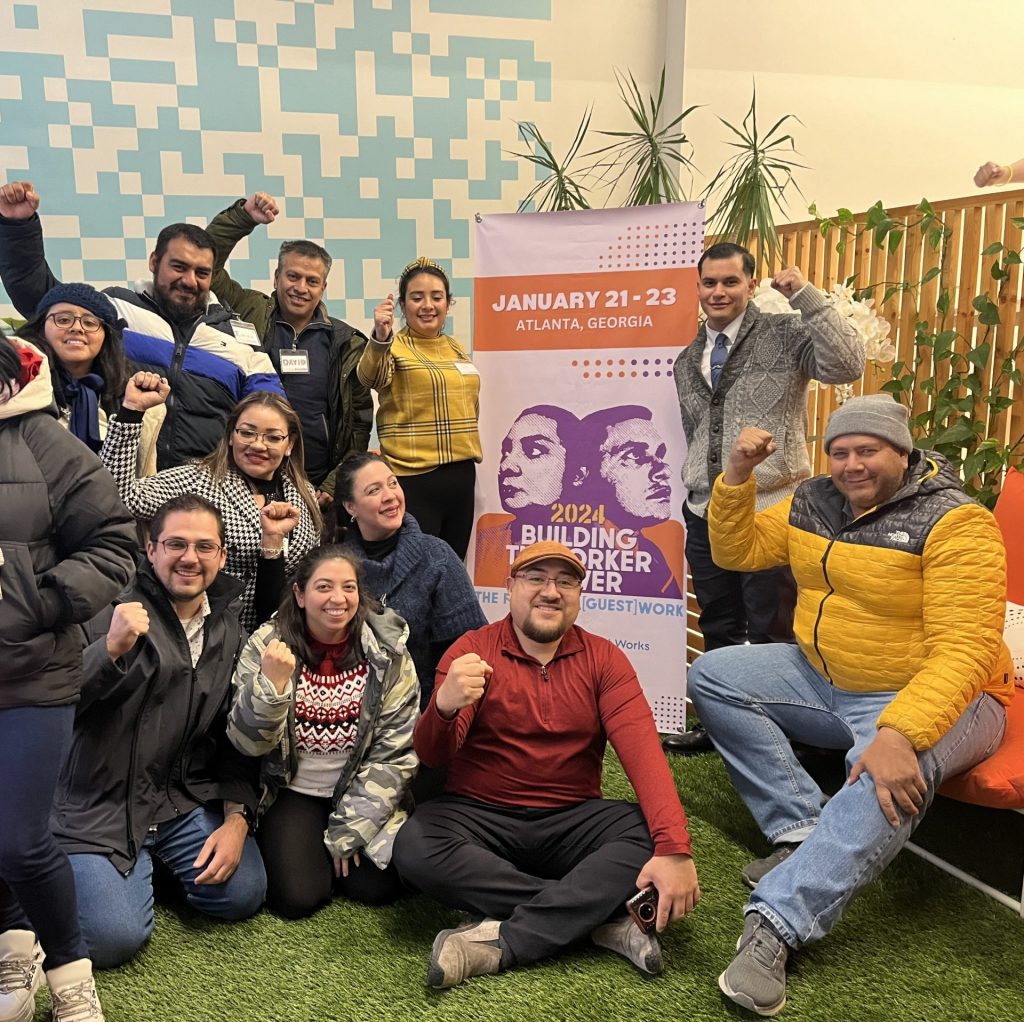
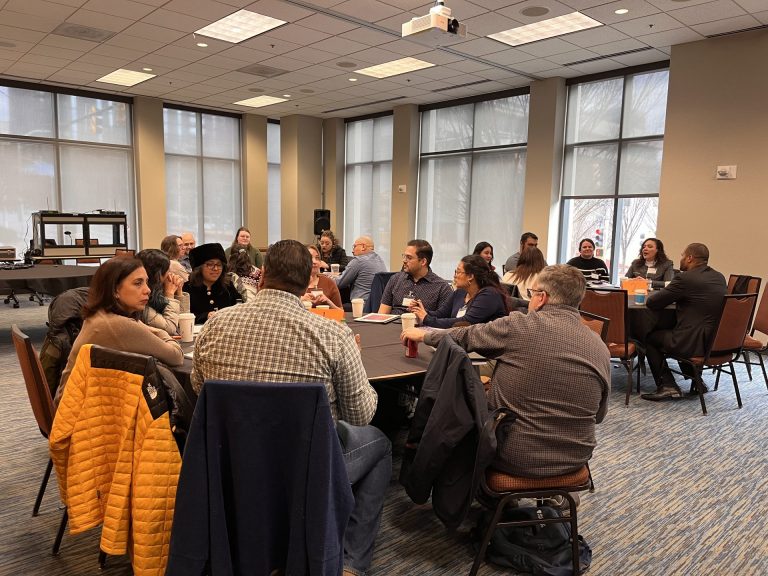
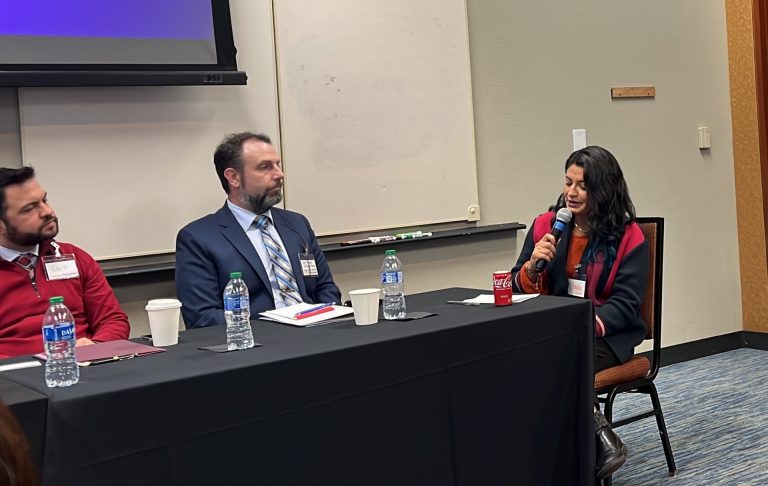
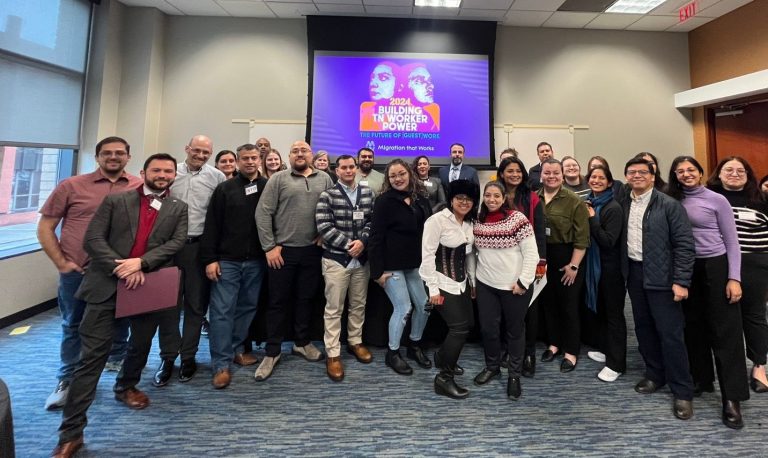
We just closed the third “The Future of [Guest]Work” summit in Atlanta, Georgia. The summit brought together workers on TN visas from across industries and states to build power and strengthen connections with allies.

Over the past three days, TN workers representing different industries, joined by Migration that Works members, developed an advocacy agenda that reflects the experiences and priorities of TN workers: an agenda that will guide our efforts throughout the year and beyond.

Migrant workers on TN visas identified the following advocacy priorities during this week’s summit:

  • Facilitating access to justice by eliminating barriers that hinder their access to legal services.
  • Eliminating unjust clauses in contracts which tie TN workers to abusive employers and limit their freedom to change jobs.
  • Increasing data transparency which will help us learn more about the industries and states where TN workers are located and reach out to them with rights information and resources.

If you are not familiar with the TN visa, you’re not alone. TN is a little known and underregulated work visa category created when NAFTA went into effect in 1994. And although it has grown exponentially since its creation –+250% increase over the past decade alone –little information is published about the visa, the employers and industries that use it, or the conditions under which TN visa holders labor.

But this year we are going to change that. Together with allies, and with your support, we will continue to build TN worker power and fight for justice with TN workers.

Here is a recap of all the action that took place during the three productive days of the summit:

Day one. We spent the first day getting to know each other and specifically hearing about workers’ individual experiences with the TN visa in varied industries and geographies. Afterwards, we noted the parallels between workers’ different stories and built a shared narrative that shed light on the common abuses that many workers faced and started articulating a collective vision to advance worker justice. 

Enrique, a veterinarian who experienced abuse as a TN worker, shared that “after 6 years of living with pain, discrimination and harassment, all I want is being able to choose a job, without fear of being lied to and put to work on different activities than the ones originally offered, or without just pay.”

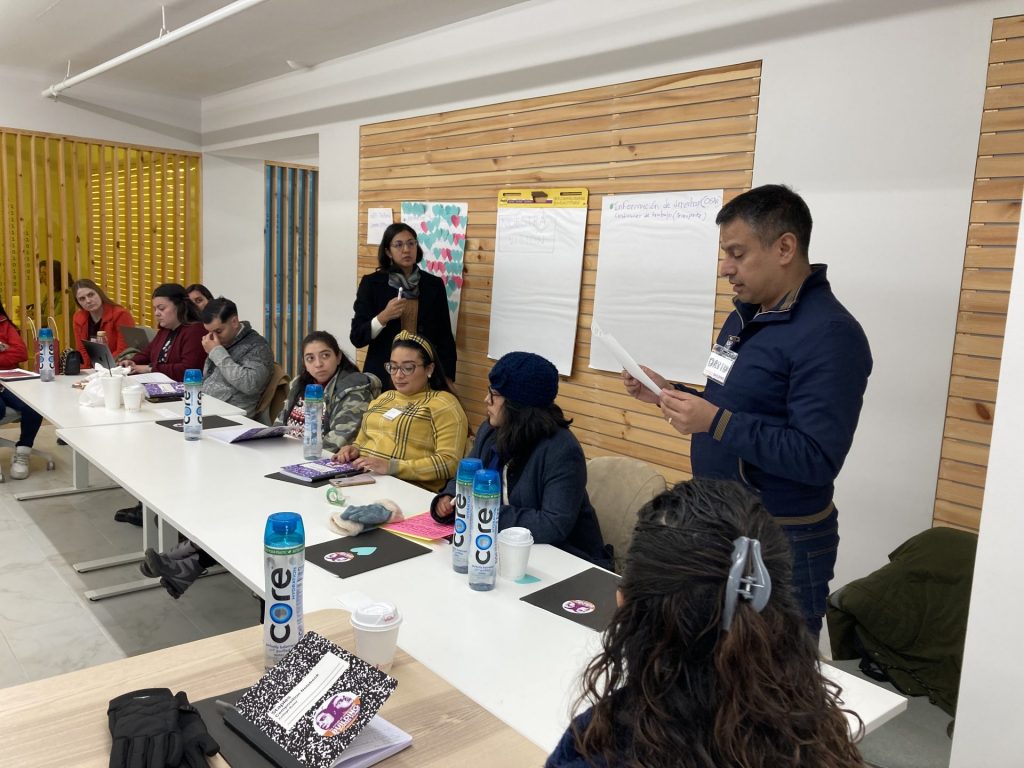
Day two was all about teamwork. Migration that Works members CDM, Polaris, The American Federation of Labor and Congress of Industrial Organizations (AFL-CIO), and Justice in Motion, as well as The United Food and Commercial Workers International Union (UFCW), joined TN workers to analyze advocacy challenges and opportunities, identify priorities, and outline a path toward change. Workers opened the day by presenting a collective statement about their priorities for reform of the TN visa category. Workers and allies discussed the current state of TN visa regulations, reviewed data trends, and conducted context and priority-mapping activities to set the groundwork for collaborative action.

On Day Three, workers and organizational allies met with representatives from the U.S. Department of Labor and the Mexican Consulate in Atlanta to share their priorities and demand justice for workers recruited for employment  in the United States with TN visas. Adriana Barberena, a TN worker and Migrant Defense Committee Member, was chosen by TN participants to read the collective statement detailing worker priorities identified throughout the summit, including prevailing salaries, information transparency, access to justice, and protections against discrimination and retaliation.

Two workers also shared their experiences working with TN visas. Rosalinda Soriano, an autoworker, explained: “I was offered an engineering position, but I was put to work as a “picker,” carrying heavy autoparts. Job, pay, housing, transportation: nothing was like they said. When I became pregnant, and I couldn’t carry heavy objects anymore, my employer fired me. I speak out today to share my story in the hope that others won’t have to go through what I went through.”

Representatives from the Mexican Consulate and from the Department of Labor listened to workers’ testimonies, shared available agency resources, and committed to maintaining dialogue with workers and advocacy organizations to ensure that all those recruited for work under this visa category had the necessary resources to defend their rights.

This summit marked a critical step in developing an advocacy plan to address persistent labor abuses and structural flaws in the TN visa program. We look forward to building together toward a shared vision for the future based on TN workers’ articulated needs and priorities.

JUST FILED!! Workers bring class action lawsuit against Hyundai Glovis and GFA

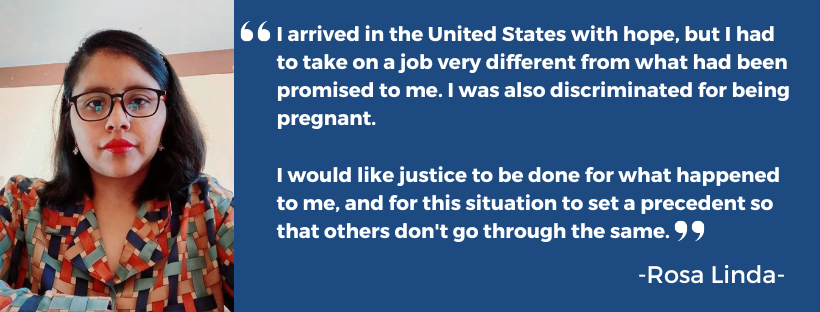
Imagine leaving your home behind to pursue what seems to be an incredible professional opportunity abroad only to experience fraud, abuse, discrimination, wage theft and more at the hands of your employers. This is exactly what happened to our clients — Rosa Linda and Jimmy, two engineers from Mexico.

Today, I am proud to announce we are representing Rosa Linda and Jimmy in a class action lawsuit against their employers, GFA Alabama and Hyundai Glovis, for the fraudulent and abusive working conditions they endured while working in the United States with TN visas. Centro de los Derechos del Migrante’s unique transnational advocacy model means that we can stand with Rosa Linda, Jimmy, and other Mexico-based workers in their fight for justice.

Rosa Linda’s and Jimmy’s stories follow the same pattern we’ve seen before in the Hyundai and Kia supply chains: recruiters in Mexico promised them engineering jobs in the United States—jobs that would advance their professional development. But, once in the United States, their employers put them to work doing backbreaking manual labor, carrying autoparts and electrical appliances for 12 hours a day. Their responsibilities, working conditions, and pay were nowhere near what they were promised. When they spoke out, they were threatened and retaliated against.

In Rosa Linda’s case, GFA and Hyundai Glovis also failed to modify her duties to accommodate her pregnancy and ultimately fired her for advocating for her health.

This is the second class action lawsuit we’ve filed in partnership with three law firms against employers in Georgia. These employers are defrauding Mexican professionals and the US government by taking advantage of the poorly regulated TN visa category. CDM has also supported four other TN worker suits in Georgia and Alabama.

We are proud of Rosa Linda, Jimmy, and all TN workers who have come forward to speak out against unethical and abusive business practices. And we are thankful for our co-counsel at Radford Scott LLP, Beal, Sutherland, Berlin & Brown LLC and Hall & Lampros, LLP who are committed to right the abuses faced by our clients and other TN workers.

I am sure that working together we will ensure these and all migrant workers get justice. I hope to share exciting updates with you soon!

Donate

JUST FILED! Defending the Farmworker Protection Rule

A few weeks ago, 17 State Attorneys General, growers and big-time farmers filed a suit against the U.S. Department of Labor to stop the new farmworker protection rule from going into effect. We cannot let this happen.

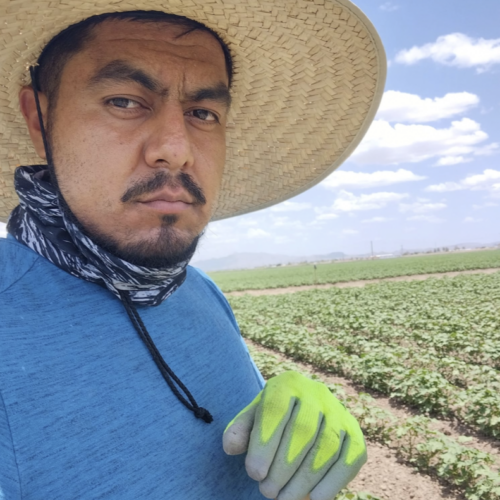
Today, we filed a motion to intervene in the lawsuit to ensure that our organization and migrant agricultural workers have a seat at the table as the court decides the future of the rule. We are seeking to enter the suit in two different roles: as an organizational defendant-intervenor and also as counsel for Candelario and Jorge, two migrant H-2A farmworkers who are speaking out in defense of the new farmworker protections.

We’re proud to co-counsel with and be represented by Adam Pulver of Public Citizen, and grateful to Dan Werner of Radford Scott LLP, who serves as local counsel.

By intervening we are fighting to ensure that workers can welcome organizations like ours in their employer-provided housing without fear of retaliation. We are fighting for seatbelts and safe transportation and for all the protections against recruitment fraud, retaliation and trafficking included in the H-2A rule.

Both Candelario and Jorge faced retaliation for standing up for themselves and their coworkers to demand better working conditions –self-organizing activities that would be protected under the new rule. They too are fighting to ensure that they and other workers are better protected in future H-2A employment and can demand better working conditions.

Stronger farmworker protections are necessary and long-overdue. We’re determined to see the new farmworker protections implemented as soon as possible. And we are committed to ensuring migrant worker voices are front and center during the upcoming proceedings. If our motion to intervene is granted, we will be in a great position to do so.

Donate