Deferred Action in action

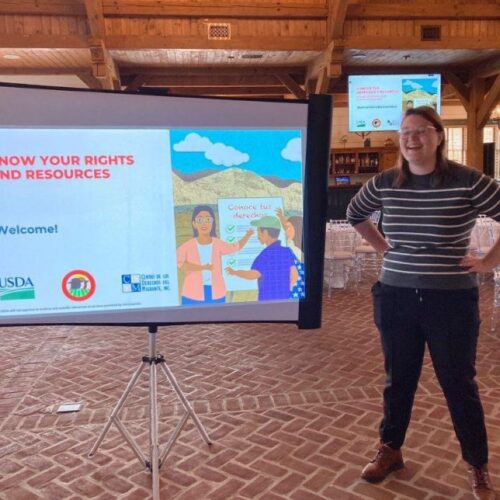
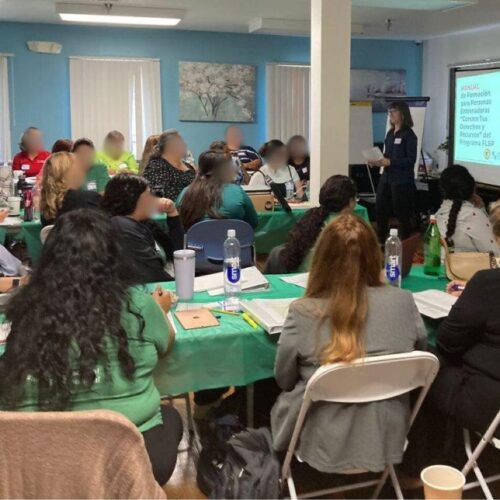
Finally! After months of planning, we held our first mass pro se deferred action legal clinic for farmworkers in North Carolina this past Sunday.

Ever since the Deferred Action for Labor Disputes process was announced in January of this year we knew this could be a game-changer for workers unable to speak out against abuse for fear of losing their job, their income and their immigration status. Over the past few months, we have been working alongside allied organizations and law school clinics to develop and pilot a model clinic, legal infrastructure, and resources that would allow us to provide the support workers need to access this immigration relief. 

And I’m happy to report that it was a very successful event thanks to our wonderful and committed partners: Duke University Immigrant Rights’ Clinic, It’s Our Future (El Futuro Es Nuestro), NC FIELD, NC Justice Center, Mexican Consulate, St Ann’s Catholic Church, among others. We’re inspired by the courage of the farmworkers who braved the wrath of their employers, who had prohibited their attendance, in order to assert their rights, organize and seek justice.

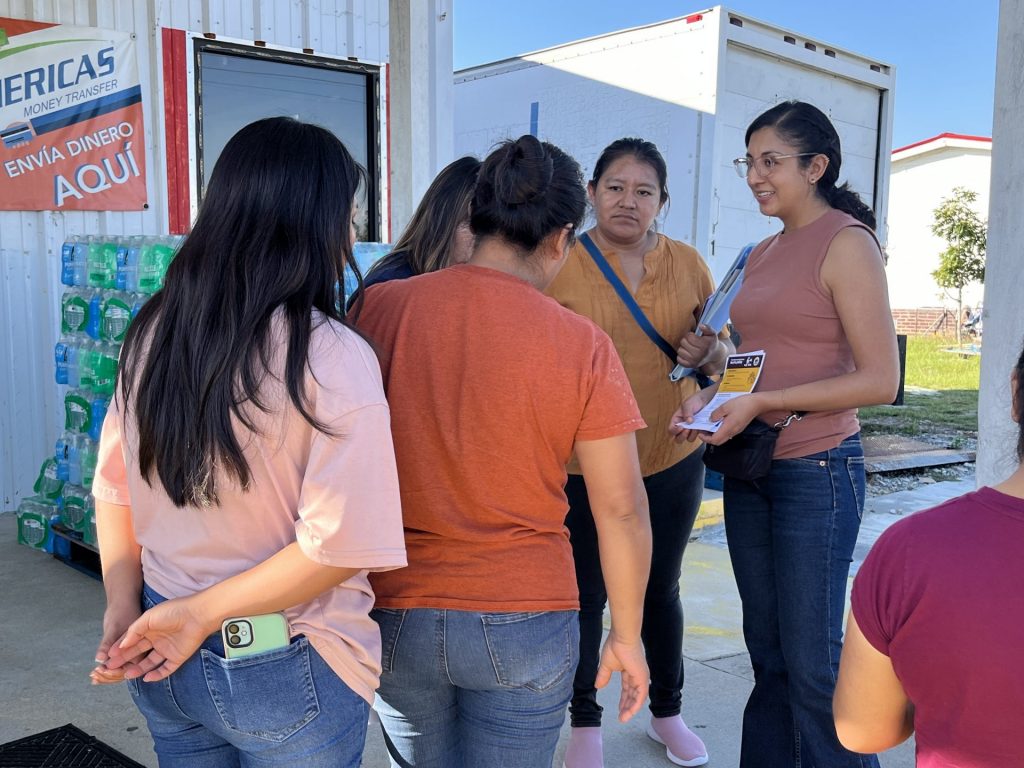
Digital and in-person outreach was key to the clinic’s success: we were able to reach out to over 800 workers in person and over 5000 online. Thanks to these efforts, more than 80 farmworkers on H-2A visas attended the clinic, despite all of the obstacles they faced to get there!
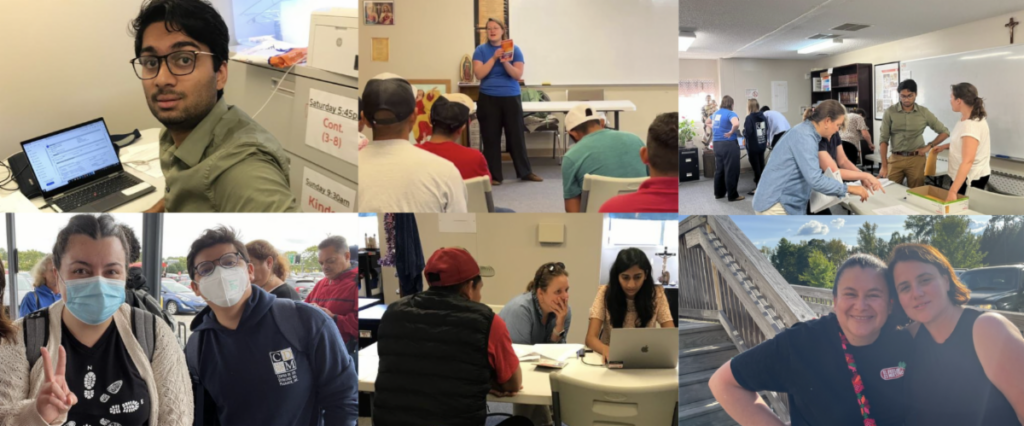
CDM, alongside NC Justice Center and Duke School of Law, co-led the legal team conducting screenings, conducting trainings with workers, and reviewing deferred action application packets while NC FIELD and It’s Our Future helped farmworkers apply for the $600 payments from the Farm and Food Workers Relief Program (FFWR). The Mexican Consulate in North Carolina also provided orientation and consular support.

Thanks to an amazing collaboration, by the end of the clinic our organizations had supported 13 workers in completing (and mailing!) their deferred action applications, as well as 68 farmworkers in applying for their FFWR $600 payments.

There is nothing like advancing migrant justice alongside committed partners and brave workers!

We learned a lot from the clinic and from each other. Now that we have developed and tested this clinic collaborative model and created the necessary legal resources, we are excited to adapt it, scale it and replicate it, so that more workers can benefit from deferred action.

Will you support migrant and immigrant workers facing abuse right to immigration relief and justice?

Donate

Shifting the Balance: New Protections for Migrant Workers

On October 19, 2023, the White House H-2B Worker Protection Taskforce published a long-awaited report adopting many of the critical policy recommendations that CDM made and citing CDM’s research. This announcement follows on the heels of the US Department of Homeland Security (DHS) and Department of Labor (DOL)’s proposed new rules for the H-2A and H-2B visa programs. The report and the rules include ambitious and potentially game-changing protections long advocated for by migrant workers, CDM, and allies.

Here’s what we are most excited about (It’s a long list but read on! This is all because of your support!):

  • The Taskforce urges the agencies to expedite H-2B workers’ requests for deferred action for workers involved in labor disputes (Action 1.2) and ensure that workers’ presence in the United States following a labor dispute will not negatively impact them (Action 1.1).
  • The Taskforce also adopted several of our recommendations for data accessibility—including sharing and integrating data on H-2B workers across agencies (Action 2.1), sharing and publishing data by “gender, sector, and occupation.” (Actions 2.2 and 2.3) and collecting new data on recruiters (Action 3.1).
  • The Taskforce also recommends crucial, ongoing engagement through meetings with stakeholders and establishing a standing Inter-Agency Working Group. (Actions 2.4 and 5.1)
  • Finally, the Taskforce adopted several meaningful recommendations that will directly protect workers—such as improving the agencies’ oversight of H-2B worker recruitment (Actions 3.2 and 3.3) and, crucially, providing workers with access to rights information and disseminating MigrantWorker.gov (Actions 4.1 and 4.5), information about their immigration status and pending employer-filed petitions (Action 4.2), real-time information about job opportunities (Action 4.3, contingent on resources), and improve the notification of returned workers about back wages owed to them (Action 4.4).
  • Under the proposed regulations, labor organizations will be able to visit workers in their employer-provided H-2A housing. We’ve advocated relentlessly for housing access!
  • Also, the proposed regulations would establish:
    • Groundbreaking protections for H-2A workers who take collective action and organize on the job.
    • Better ways to prevent and root out abusive employers in the program. Withholding workers’ passports to restrict their mobility would be cause for debarment from the H-2A program.
    • Greater accountability and harsher consequences for employers charging illegal recruitment fees.
    • Potential pathways for H-2 workers to pursue permanence and stability in the U.S.
    • Mobility protections that would enable workers to leave abusive employers and find new employment without losing their visa.

CDM and Migration that Works, a coalition we chair, have long advocated for these protections. While the rules aren’t perfect, we are thrilled with the proposed changes and feel optimistic that they will help shift the balance of power in what is still an employer-controlled and fundamentally flawed program. These strengthened protections will have a direct impact on the lives of thousands of migrant workers.

For now we’re celebrating, and over the coming days, we’ll be further analyzing the report and the more than 500 pages of rules and preparing to submit comments with workers in support of the key new provisions. We’ll also call attention to what still needs to be improved. As we continue to deepen our analysis on the potential impact on the daily lives of migrant workers, we’ll be sure to share any relevant findings with you.

A source of pride: CDM and five (!!) of our reports: Ripe for Reform, Engendering Discrimination, Recruitment Revealed, Breaking the Shell, and Fake Jobs for Sale are cited quite a few times as support for some of the most important new protections!

Migrant Workers are Building Momentum

We did it! With contributions from dozens of workers, CDM and Migration that Works (a coalition of labor, migration, civil rights, anti-trafficking organizations and academics chaired by CDM) submitted a total of FIVE(!) extensive comments in support of the proposed rules to the H-2 guestworker programs. We just submitted the last three comments today!

I’m proud of our team for our hard work, but above all, I’m proud that our comments reflect the voices and experiences of workers who are directly affected by these flawed programs. During the last few weeks, we held feedback sessions with members of the Comité de Defensa del Migrante (Migrant Defense Committee), met with women who currently work in Maryland’s crab industry and spoke with more than a dozen additional workers by phone. And believe me, they all had a lot to say about the proposed changes to the H-2 programs!

As you may recall, back in September, DHS and DOL each announced a set of proposed rules which included potentially game-changing protections for migrant workers! We were especially thrilled because many of these protections had been long advocated for by CDM, migrant workers and our allies — including increased accountability for illegal recruitment practices, oversight and transparency, the possibility for workers to change employers, as well as stronger protections for workers who take collective action and organize on the job. You can read more about these protections in our October newsletter.

These changes could be a game changer for workers facing abuse. And talking with workers and listening to their testimonies, it’s clear how necessary these changes are and how much still needs to be done in order to build fair and just guestworker programs. Here is what one worker had to say:

“I’ve worked with an H-2B visa picking crab meat for a few years now. The first time I migrated for work, I had to pay $2000 and I was in debt. This affected the pressure I felt at work. I didn’t earn enough money during my first year to pay off my debt, so I had to return a second year so I could be rid of it. It was a struggle for me and emotionally draining. In general, I agree with the proposed changes with regards to recruitment, because that’ll ensure that employers pay more attention to what is happening – especially because of increased consequences they’ll face.” 

I am deeply proud to do this work alongside migrant workers, who find the strength to fight back, organize and demand change. Ultimately, this is what our work is all about: ensuring that workers’ voices and priorities are reflected in the laws and policies that directly affect them. We are especially thrilled to share that in addition to sharing their powerful testimonies to strengthen our comments, many H-2 workers submitted individual comments to the proposed rules! Workers speaking out and getting directly involved in making change happen… I love it!

I’m so grateful for these workers and our team for their incredible work. And for  you, for supporting migrant workers in making their voices heard. Momentum is on our side — let’s keep going.

Think of CDM this #GivingTuesday

Over the past seven days, we’ve celebrated CDM’s Week of Gratitude; seven days where we highlighted some of the people who have helped make this year a very special year for us and a very important year for migrant workers’ rights.

But before we close out this Week of Gratitude we want to take a moment to thank you for all your support throughout the past 18 years. Thank you for believing in us, encouraging us and helping us advance migrant justice. You are an integral part of our growing CDM family.

Thanks to you, we’ve been able to celebrate important wins this past year. But there is still so much left to do to build a labor migration system that is safe and just; where worker abuse is an exception and not the norm.

We need your support now more than ever.

Think of us this #GivingTuesday and help us get the resources we need to provide support to migrant workers in defending their rights and speaking out against abuse. Help us advocate for more worker power and strengthened protections. Join us and migrant workers in building a labor migration system that prioritizes the human rights of workers and their families.

This #GivingTuesday, help us continue advancing migrant justice.

Donate

A Thousand Days of Advocacy

Today, International Migrants’ Day, marks exactly 1,000 days since migrant worker women alongside CDM and dozens of other organizations submitted a complaint under the US Mexico Canada Agreement (USMCA) against the United States for sex-discrimination in guestworker programs.

On this meaningful day, we celebrate the strength of these migrant worker women and the positive ripple effects created by their courageous complaint. By the US government’s own recognition, the women behind the USMCA complaint are to thank for many recent wins for migrant workers: a program to return owed wages to H-2A workers and an MOU between the Mexican and US governments that specifically references migrant women’s concerns, to name a few.

I am in awe of migrant worker women and everything they’ve achieved. And we are especially proud to have supported them, alongside you and many other organizations and academics, in their fight for justice. I am absolutely certain that this is the way forward to a just labor migration system: all of us working together with migrant workers leading the way.

Advancing migrant justice is a collective effort. As Daria Hernandez, a Migrant Defense Committee leader, implored government officials at the launch of Labor Rights Week, “every one of you has in your hands the power to do something to better the lives of migrant workers like me. We are hoping that you choose to do so.”

Thank you for being a part of this fight for a world where migrant worker rights are respected and laws and policies reflect their voices and experiences.

Donate

Join Us: Your Donation Today Fuels Our Impact in 2025!

From labor-based deferred action clinics and know your rights trainings to strengthened protections in the H-2 programs, this year was filled with powerful moments for migrant justice. And they were all thanks to the support of people like you, who believe in our vision and trust in our work.

As we move into 2025, we want to thank you for being a part of this journey and this movement to advance migrant justice with migrant workers. With your support, we’re ready  to leverage our almost 20 years of experience working with migrant workers to rise up to any and all challenges 2025 might bring.

If you’ve yet to give this year, I invite you to do so before this year ends. Let’s end this year with a strong finish! And start 2025 with a bang!

Donate

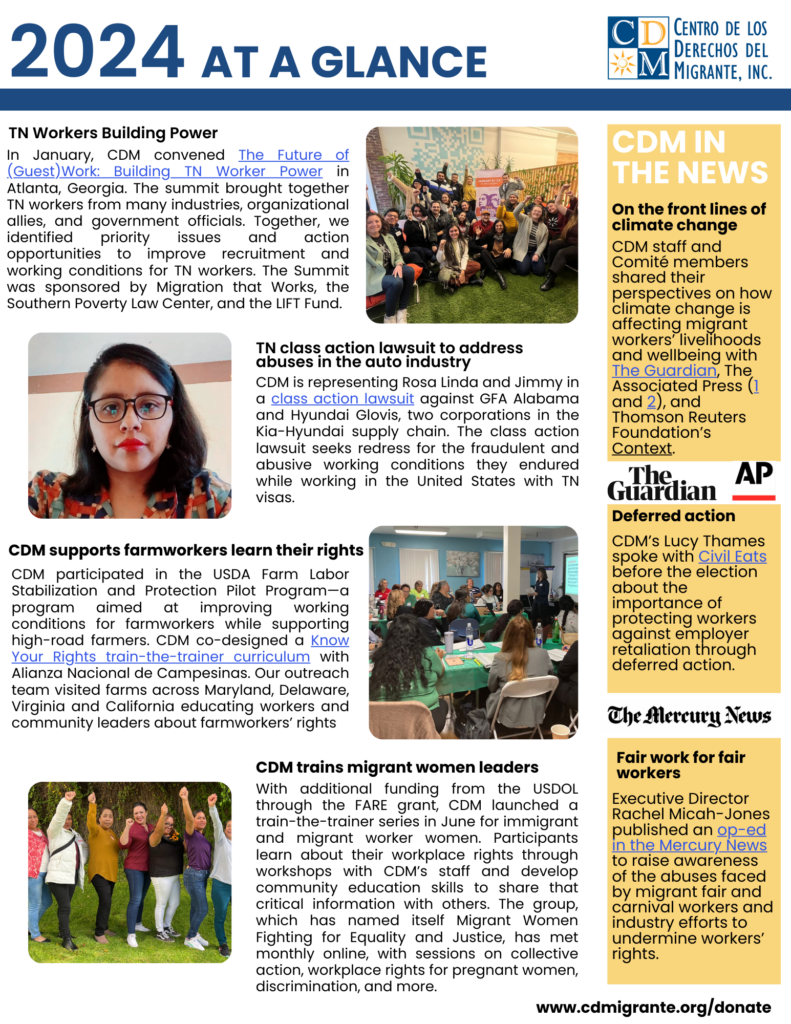
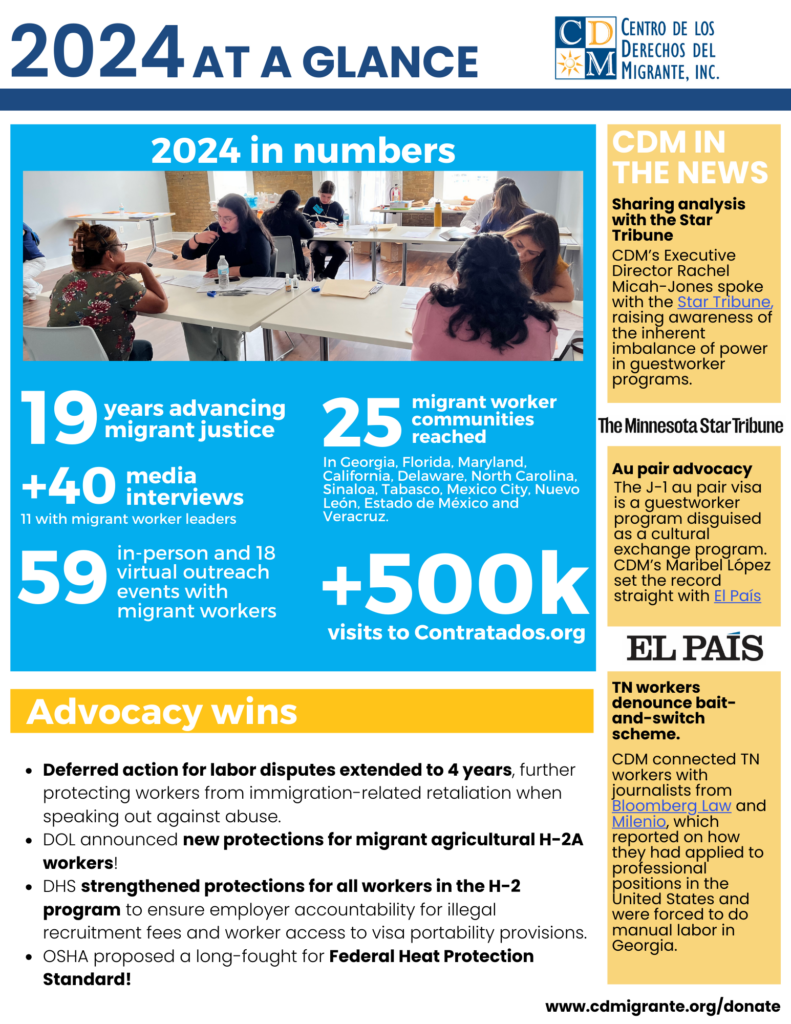
Here’s a look at our 2024 impact report to learn about our work throughout the year.

Rise up to this moment with us

For nearly 20 years, CDM has been on the frontlines ensuring workers build their power and are able to stand up for their rights. At this moment, when migrant workers are under attack, our commitment to this work is steadfast and more critical than ever. CDM was built to meet moments of vulnerability and we intend, as we always have, to rise to the occasion, and face the challenges of this moment with unwavering commitment to those we serve.

CDM is prepared and ready to continue defending the rights of migrant workers. Are you?

As the threat of mass worksite raids and unprecedented deportations continue to escalate, we expect expansion of flawed temporary work visa programs that facilitate the abuse of migrant workers. We are committed to defending the progress we’ve made over the years and to help migrant workers challenge injustice. We are ready to rapidly respond to worksite raids—using tested tools and leveraging our networks of worker leaders and community-based organizations. We have already trained migrant worker leaders through our Comité de Defensa del Migrante, 1,700 attorneys, and others to do this work. We will also continue to support workers through outreach, education, and strategic legal services.
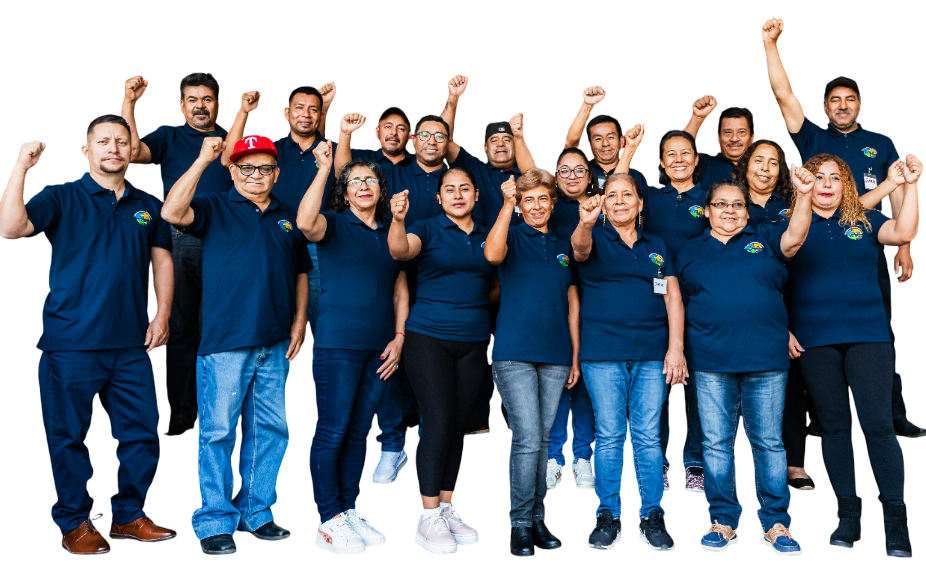
In this precarious time, CDM’s work is more essential than ever. And so is your support.

Now is the time to stand with migrant workers and with CDM.

A reason to celebrate this International Migrants Day

This International Migrants Day we are celebrating a new rule that strengthens protections for migrant guestworkers in the H-2 program. The rule, which was announced yesterday by the Department of Homeland Security (DHS), will make it easier for migrant workers to access key existing worker protections.

A few highlights:

  • Visa potability: In theory, visa portability was always a possibility in the H-2 visa program, though many factors made it nearly impossible. One main obstacle was that after leaving an abusive workplace, workers had very little time to look for employment with a company that was certified to hire them before falling out of status. The DHS rule gives workers a grace period to either organize their departure, seek legal assistance or look for new employment. This provision helps workers stand up against exploitation and opens up opportunities for them to find decent employment.
  • Responsibility in recruitment: Charging recruitment fees has always been illegal, but in practice, many migrant workers are forced to pay those fees or sign promissory notes. The DHS rule makes it clear that employers are responsible for the actions of recruiters in their recruitment chain and includes promissory notes as a type of illegal recruitment fee.
  • More accountability: DHS has the ability to provide harsher punishments to employers from the H-2 program if they violate the law or allow their recruiters to charge illegal recruitment fees. This provision protects workers from being exploited by low-road employers.

CDM’s tools like, el Portal Migrante —a job board for migrant workers— will be even more critical than ever to support migrant workers in finding decent employment and ensuring they can access visa portability provisions. Our website Contratados.org will also have an important part to play in ensuring workers know their rights and speak out against abuse.

2024 is almost over, but our work advancing migrant justice continues. Thank you for being a part of this journey and this movement for justice.

Empowering Farmworkers This Thanksgiving Season

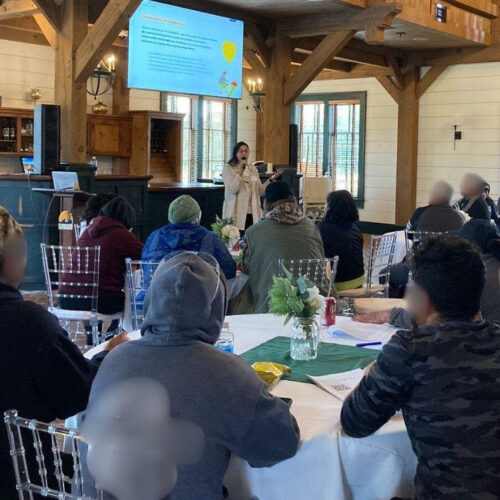
Last week, our team led seven know your rights workshops for farmworkers in Maryland and Virginia. These trainings are part of the Farm Labor Stabilization Protection Pilot Program (FLSP), a USDA program to support employers in ensuring safe and healthy workplaces for farmworkers.

In just three days, we were able to train over 120 workers, including H-2A workers, using the toolkit we co-designed with Alianza Nacional de Campesinas, resource guides, and tailored training materials for migrant farmworkers on participating FLSP farms. By participating in this program, farms agree not just to uphold the law, but to provide additional worker protections beyond the law. Some offer sick leave. Others have a collective bargaining agreement or have agreed to participate in the Fair Food Program. Our trainings give workers the tools to hold employers accountable to their commitments under the FLSP.

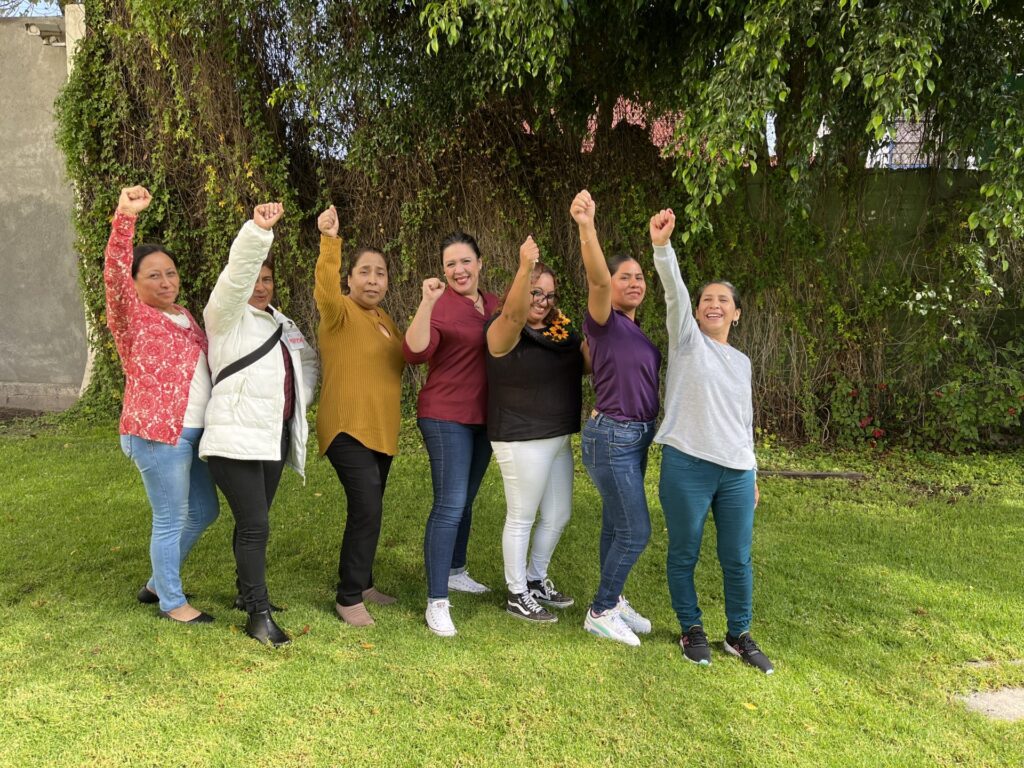
Worker leaders share the critical information they receive in our trainings with other workers, extending the reach of CDM’s workshops. Earlier this year, we trained more than 50 community-based trainers who will then go on to educate thousands of workers in their communities. 

Over the coming years, we expect that employers will turn more than ever to the H-2A program and the federal government will continue accelerating the program’s expansion. Workers and trainers trained through our FLSP workshops will have the tools to prevent abuses and defend their rights. 

All of us at CDM are incredibly proud to be a part of this promising pilot program and to have co-designed a Know Your Rights curriculum that will support agricultural workers— no matter their immigration status— in learning more about their rights, building power and improving their working conditions.

This Thanksgiving, I am thankful for the energy, optimism and kindness of the workers who we’ve had the opportunity to meet through FLSP, some of whom, in true Thanksgiving spirit, shared with our team warm milk with honey– a tradition in their country of origin– in appreciation for the training session.

And we are grateful for you too. Thank you for supporting CDM’s work with farmworkers.

Building Worker Power: Máximo’s Story

Maximo applied for deferred action, an immigration protection for workers involved in labor disputes, during our first pro se deferred action clinic in North Carolina last year.  Maximo’s employer had forced him and his colleagues to work in the sweet potato fields under extreme heat without sufficient water or breaks. As a result, one worker died from heat stroke. Maximo decided to apply for deferred action so he could remain in the United States and fight for justice for himself and his colleagues.

Thanks to deferred action, Maximo was able to find a well-paying job where he is treated with respect and dignity. He also decided to join other migrant leaders in the Migrant Defense Committee, so he can continue organizing, building power and advocating for fairness in the labor migration system. His wife is starting the process to become a member as well.

This past weekend we held our third clinic in North Carolina and Maximo was there again. But this time, he was there to help other workers, talk to them about the importance of standing up against abuse and to share his experience with deferred action. Knowing full well the challenges of getting around as a migrant worker, he even volunteered to drive some colleagues to the clinic himself.

Stories like Maximo’s illustrate how the deferred action process is a game-changer for migrant workers facing abuse. The process provides workers the safety and protection they need to speak out against abuse and seek justice, and it gives them the freedom to find dignified employment elsewhere.

That’s why since the process was announced last year, we’ve been holding clinics from Delaware to Georgia, as well as online. In the last two months alone, we’ve held four in-person clinics in North Carolina and Delaware, where we’ve supported dozens of workers in filling out their deferred action applications.

The workers CDM has organized through targeted clinics near worksites where we have cases and campaigns work across labor sectors from agriculture to poultry to sanitation. The clinics have been successful because of our strong partnerships with Migrant Defense Committee leaders like Maximo and community-based organizations. Every worker we’ve supported has one thing in common: a deep desire for fair and safe working conditions.

North Carolina Justice Center, El Futuro es Nuestro, Duke University School of Law, Student Action with Farmworkers, and the Hispanic Federation made last weekend’s clinic in North Carolina another success. Thank you for supporting migrant workers and CDM in advancing justice for all workers.

Our deferred action work is far from over. Will you continue to help us bring deferred action to more workers like Maximo who are in need of protection against retaliation from abusive employers?

Donate